
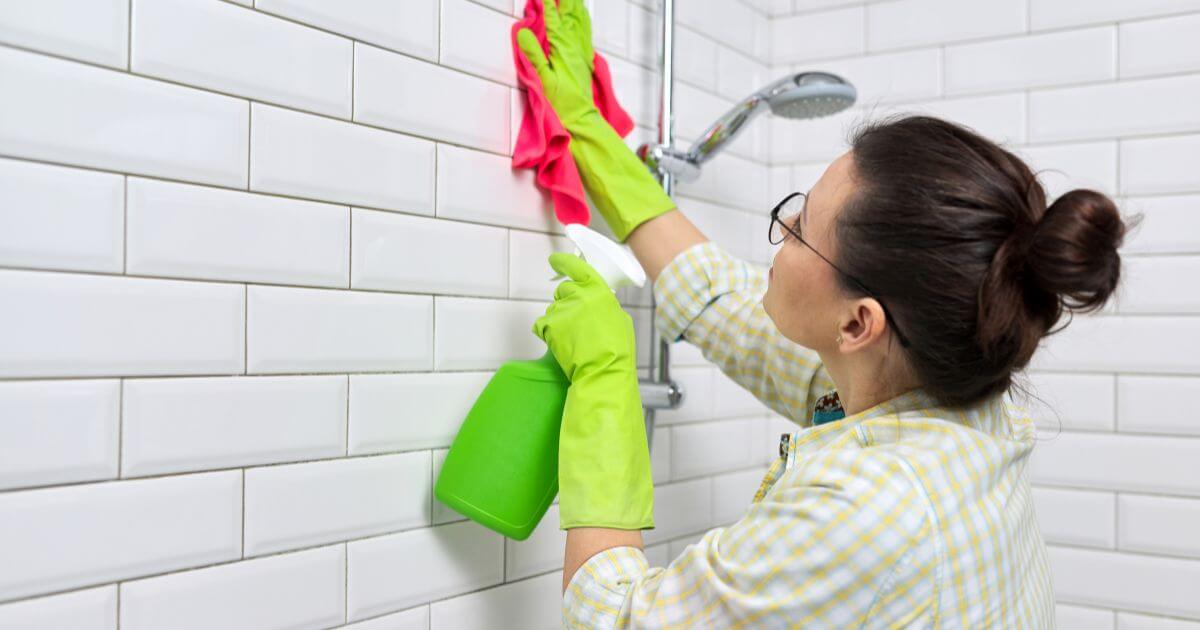
How to Clean Bathroom Grout: A Dublin Hard-Water Guide
Bathroom grout discolours faster in Dublin than in most of Ireland. The reason is hard water – mineral deposits build up on grout, attract soap scum, and over a few months a bright white grout line turns yellow, then grey. Add a little mildew in the shower area and the bathroom can look genuinely tired even when everything else is clean.
The good news: grout cleans up dramatically with the right method, and you almost certainly have what you need at home already. Here is what actually works in a Dublin bathroom – and what to skip.
Why Dublin Grout Goes Grey
There are three things happening at once:
- Limescale – calcium and magnesium from Dublin’s hard water deposit on every wet surface, including the porous surface of grout.
- Soap scum – residue from body wash, shampoo, and shower gel binds to the limescale and traps dirt.
- Mildew – in shower areas where ventilation is limited, mould spores settle into the grout and grow.
Cleaning grout in Dublin means addressing all three. A general bathroom spray usually only deals with one and leaves the rest behind.
What You Need
A small kit. None of this is expensive:
- Bicarbonate of soda (Dunnes, Tesco, SuperValu home-baking aisle).
- White vinegar (any supermarket – the standard 5% cooking variety works fine).
- An old toothbrush or a dedicated grout brush.
- A spray bottle.
- Rubber gloves.
- For tougher jobs: a limescale remover (Viakal, HG, or Cif Power Cream with Limescale) and household bleach (for mildew, use sparingly).
Method 1: Bicarb and Vinegar – The Reliable Starter
This is what works for most Dublin bathrooms with a few months of build-up. It tackles soap scum and mild limescale at the same time.
Step by step
- Mix bicarbonate of soda with a small amount of water to form a thick paste – about the consistency of toothpaste.
- Apply the paste directly to the grout lines using an old toothbrush. Push it well into the grout.
- Spray white vinegar over the bicarb paste – it will fizz. Leave for 10-15 minutes.
- Scrub the grout lines with the toothbrush. Work in small sections; you will see the difference as you go.
- Rinse thoroughly with warm water and dry with a clean cloth.
Two passes are usually enough for grout that has not been cleaned for several months. For older build-up, move to method 2.
Method 2: Dedicated Limescale Remover
For grout that has gone properly grey or chalky – particularly around taps, the bottom of shower screens, and the corner of the shower tray – a dedicated limescale remover does the work that vinegar cannot.
What to use
- HG Professional Limescale Remover – widely available in Irish supermarkets and hardware stores.
- Viakal – effective, fast-acting, available in most Dublin Tesco and SuperValu stores.
- Cif Power Cream with Limescale – mild abrasive plus acid, good general-purpose product.
Open the bathroom window or run the extractor before you start. Spray the grout, leave for the time stated on the bottle (usually 5-15 minutes), scrub with the toothbrush, rinse thoroughly. Repeat if needed.
Important: never mix limescale remover with bleach. The combination releases toxic chlorine gas.
Method 3: Tackling Mildew in Shower Grout
Black or pink spotting in shower grout is mildew, not just dirt. It needs different treatment.
Step by step
- Mix one part household bleach to four parts water in a spray bottle.
- Spray the affected grout. Make sure the bathroom is well ventilated.
- Leave for 10-15 minutes.
- Scrub with the toothbrush.
- Rinse thoroughly. Do not leave bleach on for hours – it can degrade older grout.
If mildew comes back within a few weeks of cleaning, ventilation is the underlying problem. Run the bathroom extractor for at least 20 minutes after every shower, leave the shower screen or curtain open to dry, and consider a dehumidifier if the bathroom does not have a window.
What Not to Use on Grout
- Wire brushes or metal scourers – they damage the grout surface and create a rougher texture that holds dirt faster.
- Strong acids like undiluted muriatic or hydrochloric acid – they will clean the grout but also degrade it and can damage chrome fittings.
- Bleach plus vinegar – toxic chlorine gas. Pick one or the other.
- Bleach plus limescale remover – same toxic-gas issue.
How to Keep Grout Bright Between Deep Cleans
Maintenance is far easier than recovery:
- Squeegee the shower walls and door after every shower – 30 seconds prevents most of the build-up.
- Once a week, wipe shower grout with a vinegar-water spray.
- Once a month, apply the bicarb-and-vinegar method to keep grout from yellowing.
- Consider a grout sealer – a clear sealer applied once a year prevents water and soap scum from soaking into the grout in the first place. Available in Woodie’s and B&Q in Dublin.
When to Re-Grout Rather Than Clean
Some grout is past the point cleaning can save:
- If the grout is cracked or crumbling, no amount of cleaning will help – it needs replacing.
- If mildew has gone deep into the grout and returns within days of bleaching, the grout structure is compromised.
- If the grout is missing in patches, water is getting behind the tiles and you need a tiler before the problem grows.
Re-grouting a small bathroom in Dublin costs roughly EUR200-400 – but at that point you also have the option of a deep clean done first to see whether cleaning resolves the issue.
Or Have Someone Else Do It
Bathroom deep cleaning – including grout, limescale, mildew, and the rest – is included in eMop’s deep clean service. A typical Dublin bathroom takes 1-2 hours and costs from EUR45.
Book at emop.ie – same-day and next-day availability across Dublin from EUR22/hr.
Frequently Asked Questions






 Loading...
 Blog
Blog

 Previous Post