How to Clean Your Oven: A Step-by-Step Dublin Guide
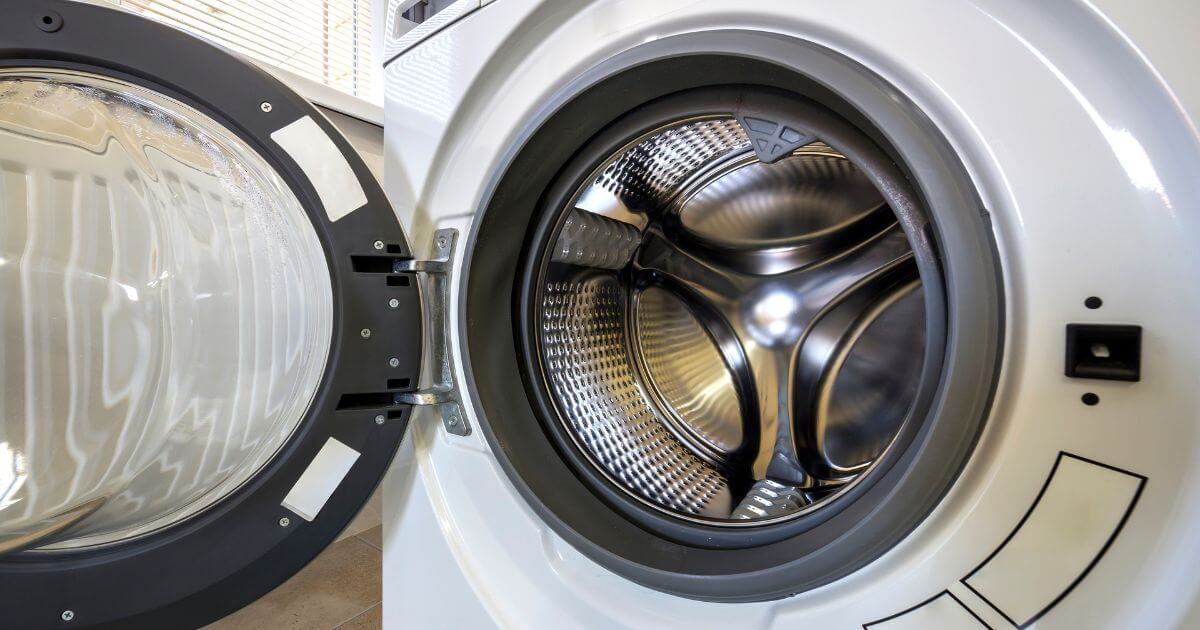
The oven is the job everyone in the house quietly avoids. Grease bakes on, the door glass goes brown, and the longer it is left the harder it gets. Whether you are in a busy family kitchen in Swords or a compact flat in the Docklands, a clean oven cooks more evenly and is far less of a fire risk.
This guide covers a simple, mostly natural way to clean your oven, including the door glass and racks, plus when it makes sense to hand the job over.
What you will need
You can clean an oven with cupboard staples rather than harsh chemicals. Everything here is available in Dunnes, Tesco Ireland or any SuperValu.
- Bicarbonate of soda
- White vinegar in a spray bottle
- Washing-up liquid
- A non-scratch scourer and a few cloths
- Rubber gloves
How to clean the oven, step by step
The trick is to let a bicarbonate of soda paste do the work overnight rather than scrubbing hard. Take the racks out first so you can reach every surface.
Step by step
Mix bicarbonate of soda with a little water into a spreadable paste before you start.
- Remove the racks and set them aside to soak
- Spread the bicarb paste across the inside of the oven, avoiding the heating elements
- Leave it for at least a few hours, ideally overnight, to break down the grease
- Spray white vinegar over the dried paste so it foams, then wipe everything away with a damp cloth
- Repeat on any stubborn baked-on spots
Cleaning the oven door glass
The door glass browns from grease and steam. A bicarbonate of soda paste applied directly to the glass, left for fifteen to twenty minutes and then wiped off, lifts most of it. A non-scratch scourer handles the rest. Buff dry with a clean cloth to avoid streaks.
Cleaning the racks and tackling hard water
Soak the racks in hot water with a good squirt of washing-up liquid. For burnt-on residue, lay them in the bath on an old towel, cover with hot water and bicarbonate of soda, and leave for a few hours.
Dublin’s hard water leaves white limescale marks when racks and trays air-dry, so dry them by hand with a cloth. The same hard water is why descaling shows up across kitchen and bathroom cleaning in the city.
When to call in a professional
If your oven has not been cleaned in a long time, or you are moving out and need it spotless for inspection, a professional clean saves hours of scrubbing. An eMop cleaner can include the oven in a one-off or end of tenancy clean across Dublin.
Regular cleans start from EUR23 per hour and one-off cleans from EUR24.9 per hour, booked online with next-day availability.
Frequently Asked Questions
What is the best way to clean a very greasy oven?
A bicarbonate of soda paste left overnight then sprayed with white vinegar lifts baked-on grease without harsh chemicals. Repeat on stubborn spots rather than scrubbing hard.
How do I clean oven door glass?
Apply a bicarb paste directly to the glass, leave for fifteen to twenty minutes, then wipe and buff with a non-scratch scourer and a dry cloth.
Why does limescale appear on my oven racks?
Dublin has hard water, so racks left to air-dry develop white limescale marks. Dry them by hand with a cloth to avoid it.
Can eMop clean my oven?
Yes. The oven can be included in a one-off or end of tenancy clean. Mention it when you book so the cleaner allows time. Regular cleaning starts from EUR23 per hour.
Book an Oven or Kitchen Clean in Dublin
If the oven is the job you keep putting off, hand it over. eMop connects you with vetted cleaners across Dublin, from Dún Laoghaire to Ballyfermot, who tackle the grease so you do not have to.
Book your kitchen cleaning in Dublin online at emop.ie, with regular cleaning from EUR23 per hour and one-off cleans from EUR24.9 per hour, including next-day slots.






 Loading...
 Blog
Blog

 Previous Post