Eco-Friendly and Zero-Waste Living: A Dublin Home Guide
Cutting waste at home is easier than it sounds, and it usually saves money too. Whether you are in a shared house in Rathmines or a family home in Clontarf, a few steady changes to how you clean, shop and recycle add up over a year.
This guide covers realistic eco-friendly swaps for a Dublin home, from natural cleaning to the kitchen, laundry and what to do with what you no longer need.
Greener cleaning without the plastic
Most homes have a cupboard full of single-use plastic bottles, each with its own specialist spray. You can replace most of them with a handful of basics that work just as well and cost less.
White vinegar, bicarbonate of soda and lemon handle the bulk of household cleaning. In hard-water Dublin, white vinegar earns its place twice over, as it cuts through the limescale that coats taps, kettles and shower screens.
- White vinegar for limescale, glass and general surfaces
- Bicarbonate of soda for scrubbing, odours and ovens
- Lemon for grease and a fresh finish
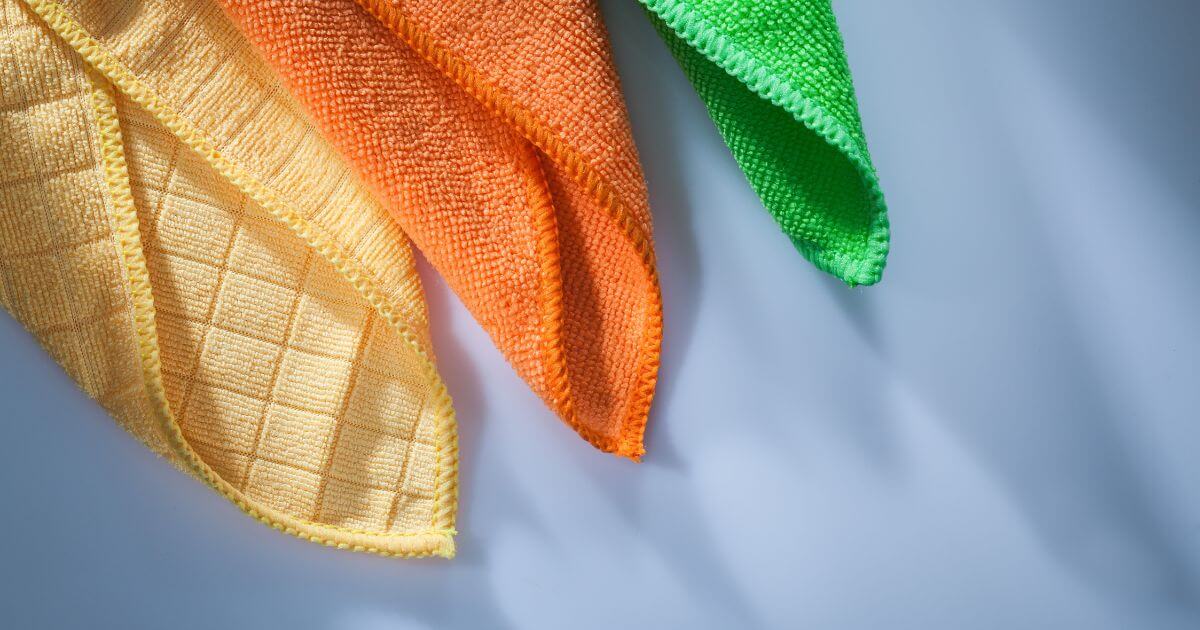
- Washable microfibre cloths instead of paper towels
- Refillable spray bottles rather than buying new each time
A lower-waste kitchen
The kitchen is where most household waste is generated, and where small changes make the biggest difference. Start with the bin: separating food waste and recycling properly keeps more out of landfill.
Simple swaps
None of these need a big upfront spend, and most pay for themselves quickly.
- Use a brown bin for food waste, as collected across Dublin City Council areas
- Buy loose fruit and veg from SuperValu, Dunnes or a local market to cut packaging
- Store leftovers in reusable containers rather than cling film
- Keep a jar of vegetable offcuts in the freezer for stock
- Switch to beeswax wraps or silicone lids
Laundry and the bathroom
Laundry is a quiet source of waste and cost. Washing at 30 degrees, running full loads and air-drying instead of tumble-drying all cut energy use. A guppy bag catches microplastics from synthetic fabrics before they reach the water system.
In the bathroom, bar soap and shampoo bars remove plastic bottles entirely, and refillable options are now stocked in most Dublin supermarkets and pharmacies.
- Wash at 30 degrees and only run full loads
- Air-dry where you can, ideally outdoors
- Try shampoo and soap bars to cut bottles
- Use refillable hand wash and cleaning products
Reuse, recycle and pass on
Zero-waste is as much about what leaves the house as what comes in. Before binning or replacing something, ask whether it can be repaired, reused or passed on. Dublin has a strong network for this.
Charity shops like Oxfam Ireland and St Vincent de Paul take clothes, books and homeware. Dublin City Council bring centres handle glass, textiles and electricals that do not go in the kerbside bins.
- Donate usable clothes and homeware to Oxfam Ireland or St Vincent de Paul
- Use bring centres for glass, textiles and small electricals
- Repair before replacing where you can
- Pass on furniture through local reuse groups rather than skipping it
Keeping it up without the guilt
Nobody goes fully zero-waste overnight, and trying to often leads to giving up. Pick two or three changes, make them habits, then add more. A cleaner, less cluttered home is easier to keep green.
If you would rather spend your weekend on other things, an eMop cleaner uses an eco-minded approach and covers Dublin from EUR23 per hour for regular cleaning, booked online.
Frequently Asked Questions






 Loading...
 Blog
Blog

 Previous Post