
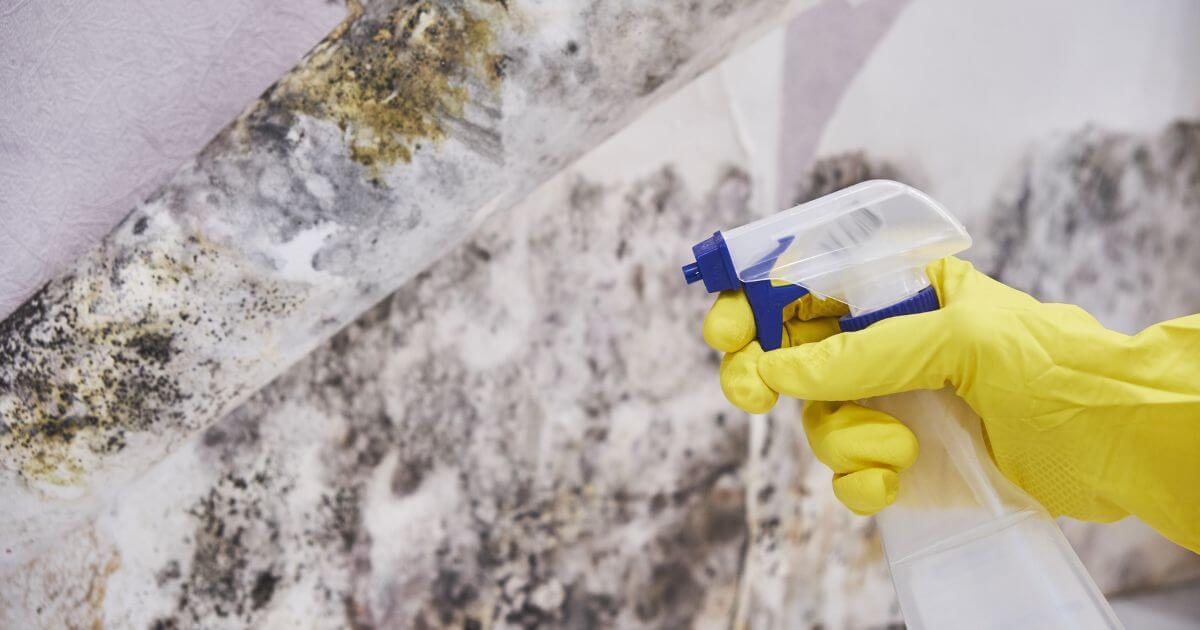
How to Clean Mould in a Dublin Home
Mould is one of the most common complaints in Dublin homes, and the city’s damp, mild climate is largely to blame. It shows up as black spots around bathroom sealant, on window frames and in the corners of poorly ventilated rooms, from period flats in Rathmines to newer builds in Swords.
This guide covers how to clean mould safely, why it keeps coming back, and the simple changes that stop it for good.
Why Dublin homes get mould
Mould needs moisture, and a damp climate plus everyday activities like cooking, showering and drying clothes indoors give it plenty. Older Dublin housing stock often has poor ventilation and single-glazed windows where condensation pools, which is exactly where mould takes hold.
Cleaning the mould off is only half the job. If the moisture stays, it comes straight back.
- A mild, damp climate keeps humidity high
- Showering, cooking and indoor laundry add moisture
- Poor ventilation traps damp air
- Cold surfaces like window frames collect condensation
How to clean mould safely
Protect yourself before you start, as mould spores can irritate the lungs and skin. Open a window, wear rubber gloves, and if the patch is large, a mask. Never dry-brush mould, as that sends spores into the air.
Step by step
For most household mould on hard surfaces, a simple solution does the job.
- Mix warm water with washing-up liquid, or use white vinegar undiluted for tougher patches
- Dampen a cloth and wipe the mould away gently, rather than brushing it dry
- For sealant and grout, apply white vinegar, leave for an hour, then scrub with an old toothbrush
- Dry the area completely afterwards, as leftover moisture invites it back
- Bag and bin used cloths, or wash them on a hot cycle
Tackling mould on different surfaces
The approach changes a little depending on where the mould is. Painted walls need a gentle touch, while bathroom sealant often needs replacing if the mould has grown under it.
- Bathroom tiles and screens: white vinegar lifts mould and the hard-water limescale around it
- Sealant and grout: scrub with vinegar, and replace silicone sealant if mould has grown beneath it
- Window frames and sills: wipe condensation daily and clean spots as they appear
- Painted walls: wipe gently, and repaint with anti-mould paint once fully dry
Stopping mould coming back
Removing the moisture source is the only lasting fix. Ventilation is the single most effective change in a damp Dublin home.
- Open windows daily, especially after showering and cooking
- Use extractor fans and keep trickle vents open
- Dry laundry outdoors or in a vented space, not on radiators
- Wipe condensation from windows each morning
- Keep furniture slightly away from external walls so air can move
When to get help
Persistent or widespread mould can point to a damp problem that needs a landlord or professional to address. If you rent, your landlord has obligations around the condition of the property, and Threshold offers free advice to tenants in Ireland on damp and repairs.
For the cleaning side, an eMop cleaner can tackle bathroom and surface mould as part of a deep or regular clean across Dublin. Regular cleaning starts from EUR23 per hour and one-off cleans from EUR24.9 per hour, booked online with next-day availability.
Frequently Asked Questions
Book a Deep Clean in Dublin
Staying on top of mould is easier with a clean, well-kept home and a routine you can actually keep. eMop connects you with vetted cleaners across Dublin, from Drumcondra to Dundrum.
Book your house cleaning in Dublin, with regular cleaning from EUR23 per hour and one-off cleans from EUR24.9 per hour, including next-day slots.






 Loading...
 Blog
Blog

 Previous Post